The Tahadi Al Horouf guide
Everything you need to play smarter and learn more: game rules, practical strategies, activities for families and classrooms, and what research does — and does not — say.
Why this guide?
Word games are fun, but they become truly useful when you know how to play them and how to review what you learned afterwards. These articles explain the rules of every game on the platform, suggest practical ways to improve, and help parents and teachers turn play into structured learning.
We keep the content original and accurate: clear examples, references whenever we mention research, and updates each time we add a game or feature.
All articles
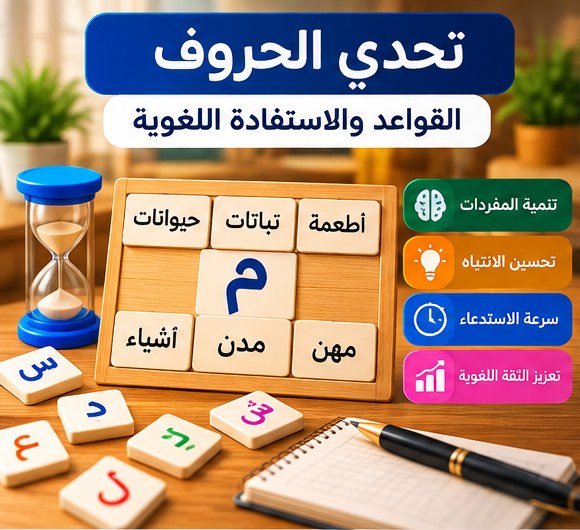
The letter challenge: rules, strategies and vocabulary benefits
Full rules of the letter challenge (the classic “Scattergories” style game), how points work, the help button, multiplayer rooms and tournaments, and tips to turn every round into a mini vocabulary lesson.
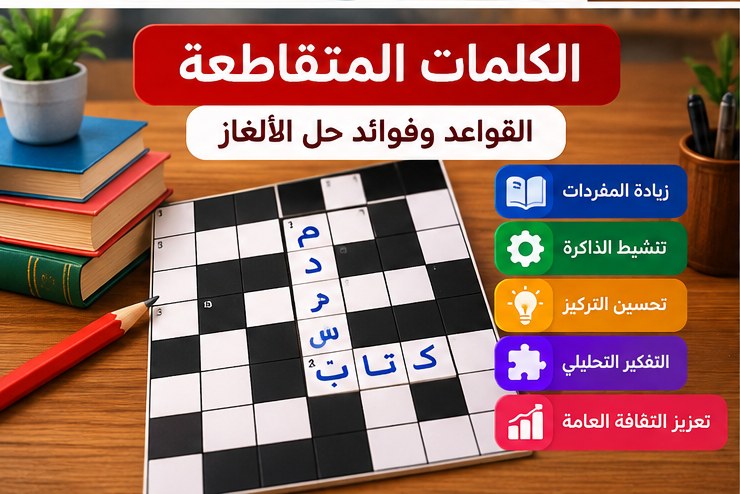
Crosswords: rules, solving method and real benefits
How to solve a crossword without random guessing, read clues, use crossing letters, play solo, the daily challenge or with friends, and what research actually says about crosswords.
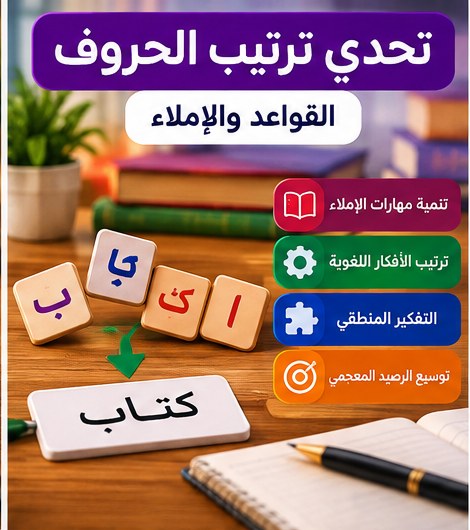
Word scramble (anagrams): rules, method and spelling benefits
How to play the word scramble game, how points and hints work, a simple method to unscramble letters fast, and exercises to turn every solved word into spelling progress.
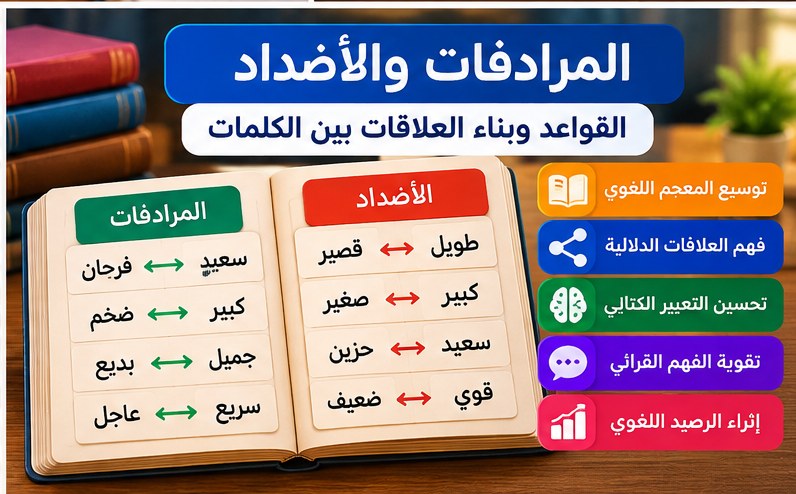
Synonyms and antonyms: game rules and a method to grow your vocabulary
The difference between synonyms and antonyms, the types of opposites, the game’s rules and scoring, and a method to build a real vocabulary network instead of memorising isolated pairs.
Proverbs: meaning, origins and use, in Arabic and English
What a proverb is, how it differs from a maxim or saying, twenty Arabic and English proverbs explained with their equivalents, activities for children and learners, and the rules of the “Finish the proverb” game.
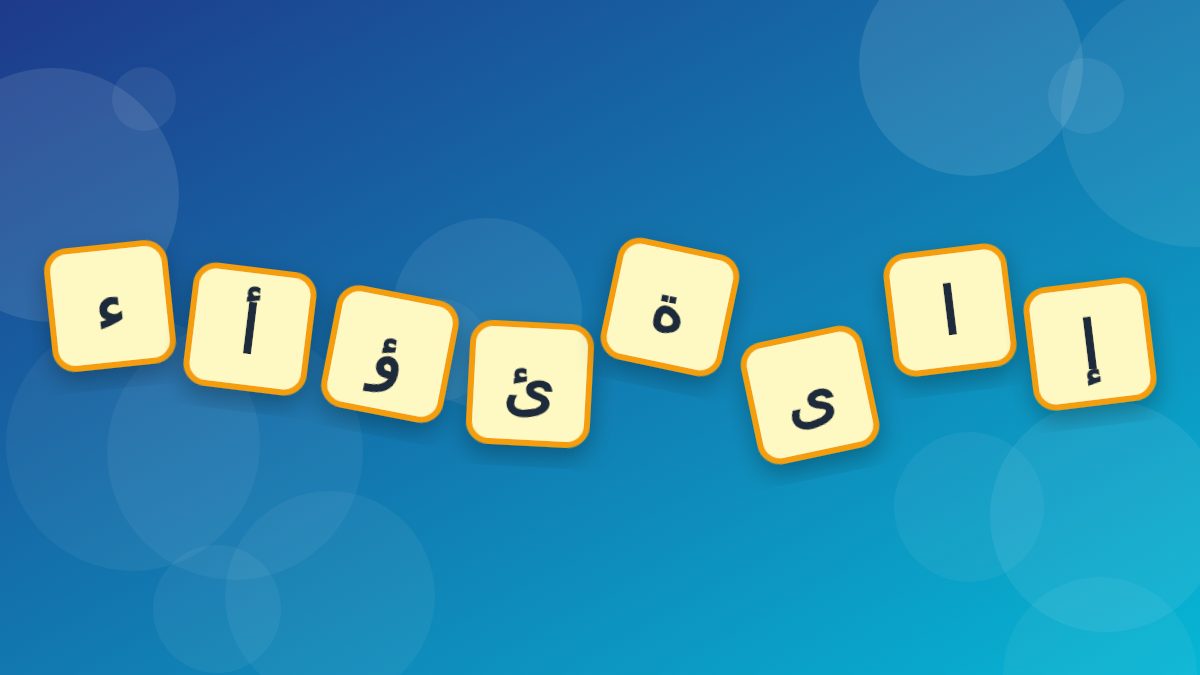
Arabic spelling made simple: hamza, tā’ marbūṭa and alif maqṣūra
A clear guide for learners and curious readers to the essential rules of Arabic spelling — connecting and cutting hamza, medial and final hamza, tā’ marbūṭa and alif maqṣūra — with transliterated examples and quick tests.
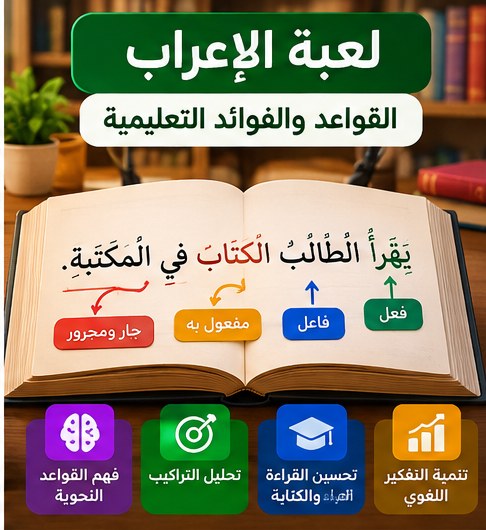
I‘rāb (Arabic grammatical analysis) explained simply
Understand i‘rāb, the Arabic case system: nominative, accusative, genitive and jussive, main and secondary markers, step-by-step worked examples and tips for using the platform’s analysis tool.

Finding words that start with a given letter fast: practical strategies
Proven methods to find words by letter and category quickly: read both conditions, split categories into sub-groups, manage the three minutes and build a reserve of words for difficult letters.
Word games: types, benefits and the best ways to use them
An overview of letter and word games (category games, crosswords, anagrams, synonyms, proverbs, spelling), the skills each one trains, how to choose by age and goal, and how to learn while playing.

Learning with word games: memory, attention and method
How word games can support vocabulary learning — retrieval from memory, attention to rules, decisions under time pressure, a one-week plan and spaced repetition — and what research can and cannot claim.
Word games, memory and attention: what happens in your head
Working memory, verbal fluency and mental flexibility: how word games engage the mind, short exercises to try at home, and what research really says about “brain-training” games.
Growing your vocabulary with word games: a step-by-step method
How word games help you discover, understand and retain new words: the levels of knowing a word, what to do after a game, word networks, a tracking sheet and a weekly plan.
Building your Arabic vocabulary: reading, roots and practice
A method to grow your Arabic vocabulary: reading in context, understanding the root-and-pattern system, telling Modern Standard Arabic from dialects, keeping a notebook and following a weekly plan.
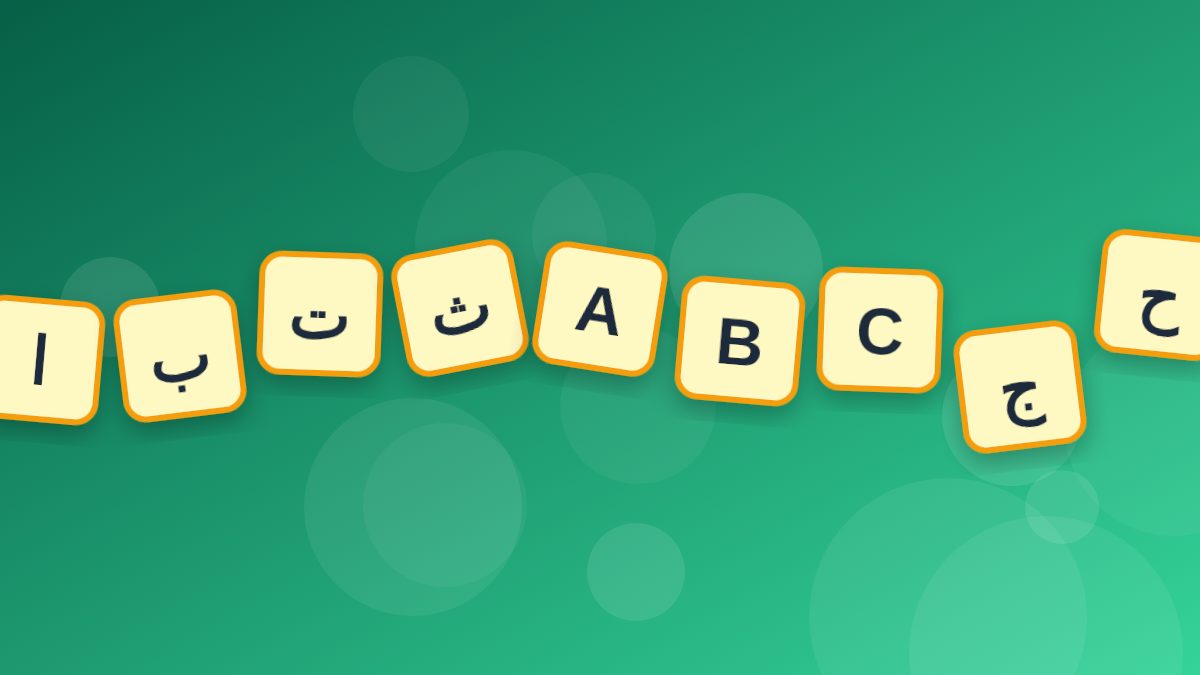
Learning Arabic with games: a practical path for beginners and intermediates
How English speakers can use word games to learn Arabic: mastering the alphabet and letter shapes, building first vocabulary, reading with roots, spelling rules, and a progressive plan using the platform’s games.
Improving your English and French with word games
How to use the platform’s games to grow your English or French vocabulary: false friends, spelling, synonyms, idioms and proverbs, with a practice plan suited to students and adults.
Word games for kids: a parent’s guide by age
Which word games suit each age, how to play as a family without pressure, how much screen time, how to encourage without discouraging, and screen-free activities to keep the fun going.
Word games in the classroom: a practical guide for teachers
How to bring word games into class: learning goals, a ready-to-use 30-minute lesson plan, private rooms, differentiation, assessment, group management and activity ideas in Arabic, English and French.
The letter challenge categories explained
A guide to the letter challenge categories: first names, animals, fruit and vegetables, countries, capitals and currencies, jobs and objects — what is accepted, examples and ways to practise.
How answers are checked
The steps used to check answers on Tahadi Al Horouf: the game dictionary, additional verification, spelling normalisation, letter, category and meaning, and how to report a mistake.
Artificial intelligence in the Tahadi Al Horouf games
Why and how artificial intelligence helps check some answers, its limits, the role of the game dictionary, spelling normalisation and how privacy is protected.
Multiplayer and tournaments: the complete guide
Everything about multiplayer on Tahadi Al Horouf: creating or joining a room, the host’s role, chat, automatic tournaments, fairness between players and rules of conduct.

Poetry challenge: complete the line and rediscover great poems
The guide to Tahadi Al Horouf’s Poetry challenge: rules, levels and poets, how points work, tips for finding the missing word through rhyme, rhythm and meaning, and ideas for using it in class.
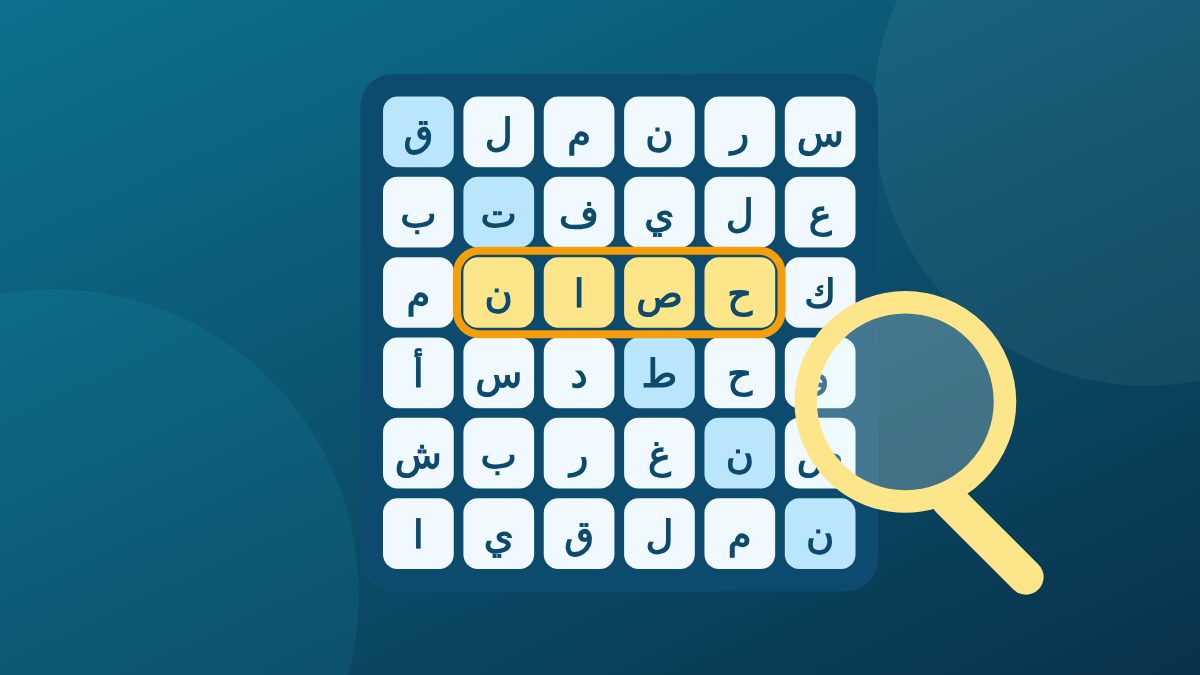
Word search: rules and quick ways to spot hidden words
The guide to Tahadi Al Horouf’s Word search: categories and levels, how to select a word with a mouse or a finger, how points work, practical strategies and how the game helps focus and reading.

Who wrote this line? How to recognise a poet from a single line
The guide to Tahadi Al Horouf’s “Who wrote this line?”: rules, levels and points, clues for recognising a poet from style, themes and period, and quick notes on the poets in the game.