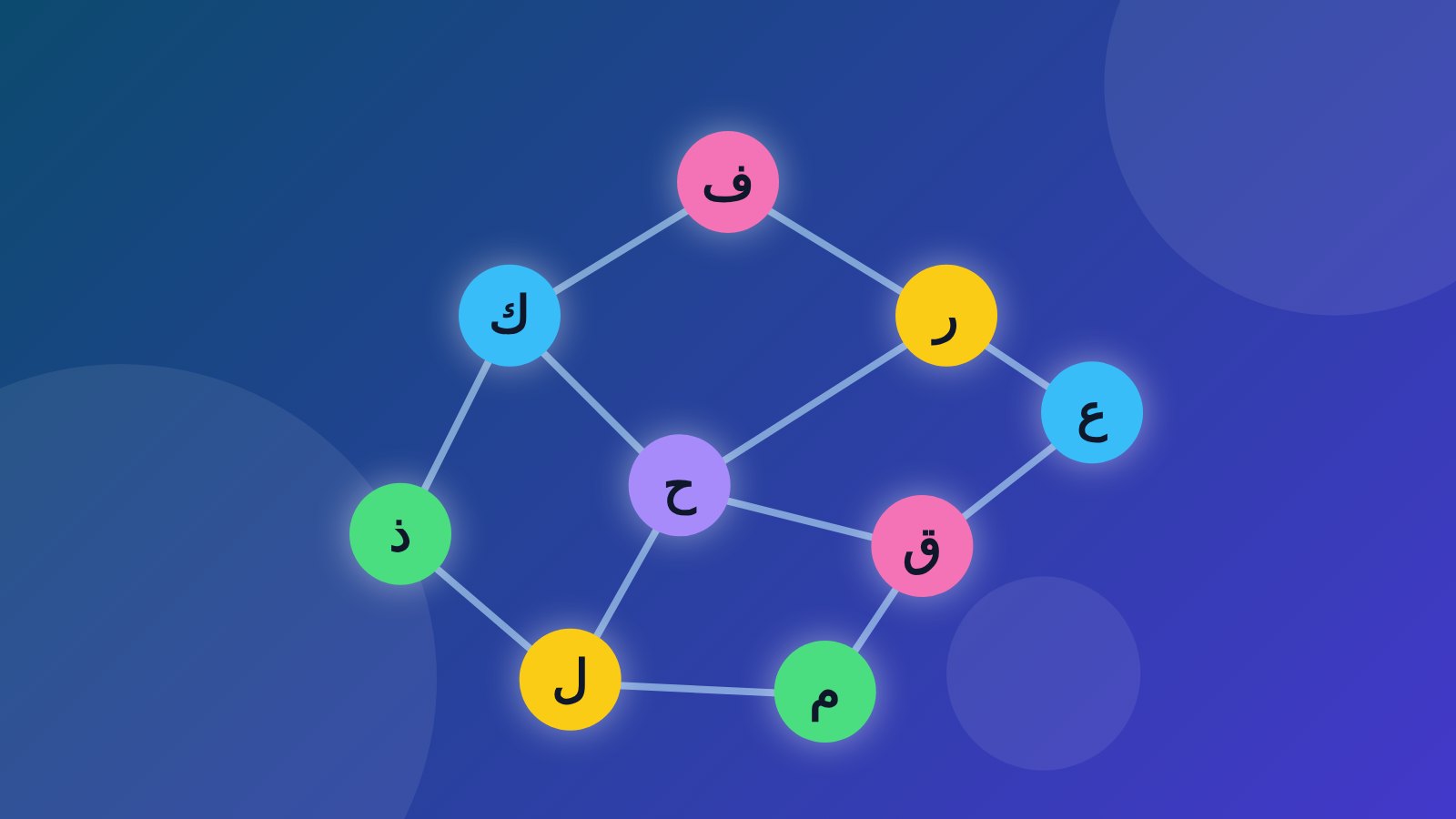
The mental operations in a game
When you are given a letter and a category, you first have to understand the instruction, then search memory for possible words, compare each one with the conditions and choose. It all happens in seconds and involves several functions: attention, long-term memory (where words are stored) and working memory (where you handle the information of the moment).
Difficulty depends on the letter, the category and the player’s experience. A familiar category yields instant answers; another needs more time or a different strategy.
Working memory: the mind’s scratchpad
Working memory lets you hold a few pieces of information in mind and work with them for a few seconds. In the letter challenge you hold the letter and category; in word scramble, the orders you have already tried; in crosswords, the crossing letters while you think about the clue. Its capacity is limited, so lightening the load helps — for example, placing the certain letters first or splitting a category into small groups.
Verbal fluency: quick access to words
Psychologists use “verbal fluency” tests: name as many words as possible in one minute that start with a letter or belong to a category. The task closely resembles a round of the letter challenge. Performance depends on two things: the size of your vocabulary and your search strategy, especially the ability to switch to a new sub-group when ideas run out. Good news: strategy can be learned.
Mental flexibility
When an attempt fails in word scramble, or an answer clashes with a crossing letter, you have to drop your first idea and test another. That flexibility improves with practice of the task itself. A useful habit: tell yourself “this route doesn’t work — what’s the alternative?” instead of insisting.
Keeping several conditions in mind
In many games it is not enough for a word to start with the right letter: it must also belong to the category, have the right length or the right meaning. Before submitting, repeat the conditions to yourself and check the word. With practice, this check becomes a reflex that takes less than a second.
Exercise 1: recall by category
Choose a familiar category (food, animals) and write every word that comes to mind in one minute. Then sort them into sub-groups and try to add one word to each group. You will notice that sorting brings new words to mind.
Exercise 2: recall after a break
Write five new words with their meanings, close the list and do something else for a few minutes. Then try to recall the words and meanings without looking. Repeat the next day, focusing on the words you forgot. Keep the number of words reasonable so the exercise stays pleasant.
Exercise 3: one letter, several categories
Choose a letter and three different categories, write one answer per category and check them. Next time, add a category or shorten the time.
- Start with categories you know well.
- Add new categories when the task becomes easy.
- Look at mistakes without judging yourself — they show what is left to learn.
- Note new words and come back to them later.
What research says about “brain games”
In 2014, dozens of psychologists and neuroscientists signed a statement pointing out that evidence that “brain-training” games improve general mental abilities is weak. A major 2016 review reached a similar conclusion: people mostly improve at the trained task, and transfer to distant skills is limited.
That is why we present word games as an enjoyable activity that exercises specific language skills, not as a treatment or a guaranteed way to boost intelligence. What supports brain health in general is a combination: good sleep, physical activity, social connection and lifelong learning.
Balancing play and rest
Keep play short and pleasant, and take a break if you feel tired or frustrated. You do not need long sessions to benefit: a few regular minutes are better than one long, stressful session.
Measuring progress realistically
Rather than judging a single game, watch simple indicators: are you remembering new words? Checking your answers better? Finding ideas faster for difficult letters? Results depend on the letter, the category and the time; compare yourself with yourself over several weeks.
❓ Frequently asked questions
Do word games protect against memory loss with age?
No solid evidence shows that. Some studies find a link between mentally active lifestyles and memory health, but a link is not a cause.
How often should I play to benefit?
Short, regular sessions — ten to twenty minutes several times a week — with a review of new words.
Is stress during play harmful?
A little challenge boosts concentration, but too much pressure hurts performance. Take a break when you are tired.
Which game trains attention best?
Crosswords and the letter challenge require you to track several conditions at once, which is good attention practice.
📚 Sources and further reading
- Stanford Center on Longevity (2014). A Consensus on the Brain Training Industry from the Scientific Community. Link
- Simons, D. J. et al. (2016). Do “Brain-Training” Programs Work? Psychological Science in the Public Interest, 17(3). Link
- Baddeley, A. (2003). Working memory: looking back and looking forward. Nature Reviews Neuroscience, 4, 829–839. Link